

Our Principles & Practices
Team Flow
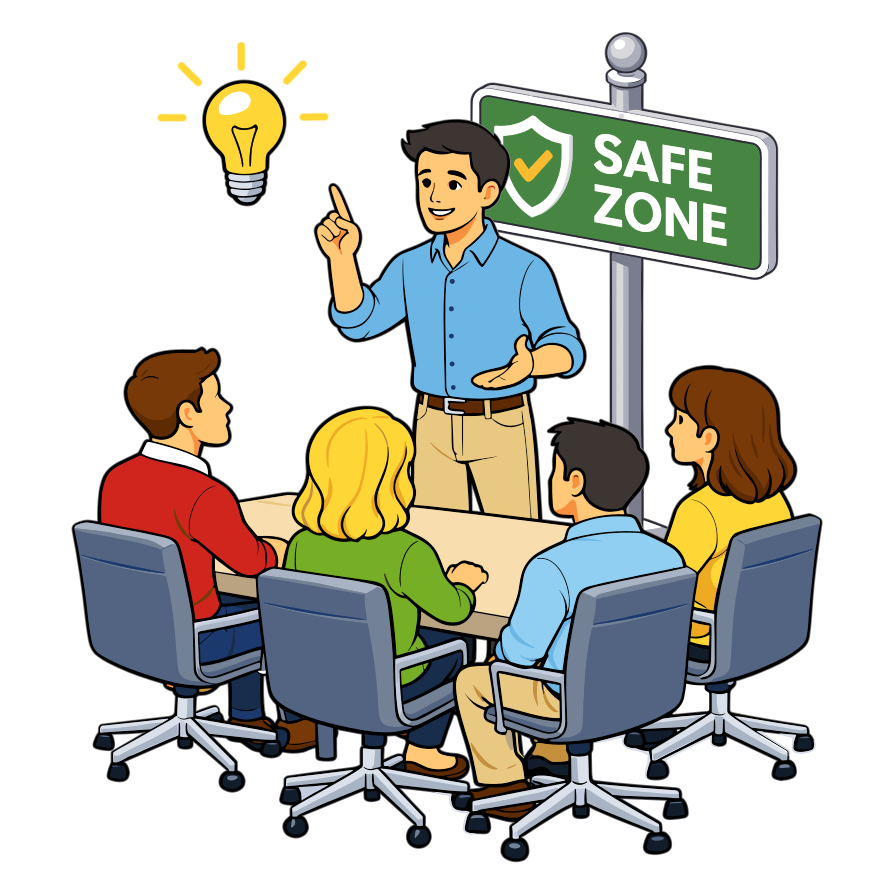
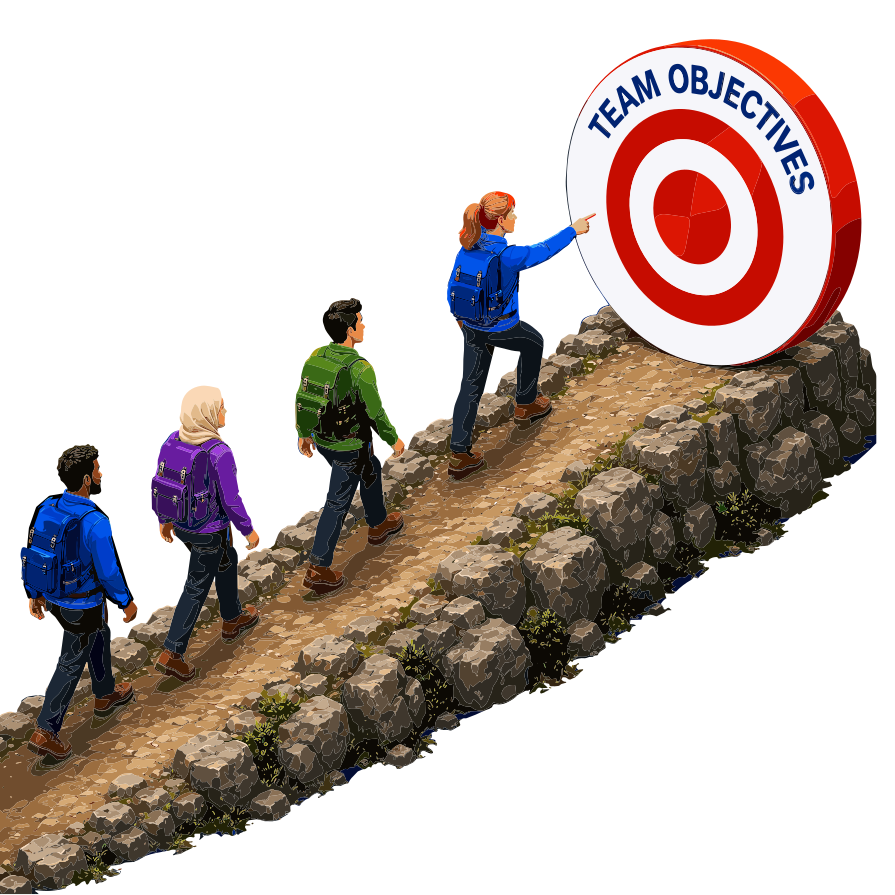
Team Flow focuses on the social and cultural engine that powers every other flow area: how your people work together and the leadership that guides them. By addressing the "human" dimension” we help teams move past silence and misalignment.
The success of any technical process ultimately depends on the human engine behind it. Team Flow focuses on the social and cultural dynamics of your organisation, addressing how individuals interact with each other and their leadership to drive collective results. By fostering a clear sense of purpose and a supportive environment, we help teams move from a state of friction to one of synchronised performance.
In high-stakes sectors, the ability to collaborate effectively under pressure is a defining competitive advantage. We work with leadership teams to establish the behavioural standards and communication cadences necessary to sustain engagement and high standards. Our goal is to ensure that your people are as fluid and efficient as the processes they manage, enabling everyone to win together.
What we often see happening
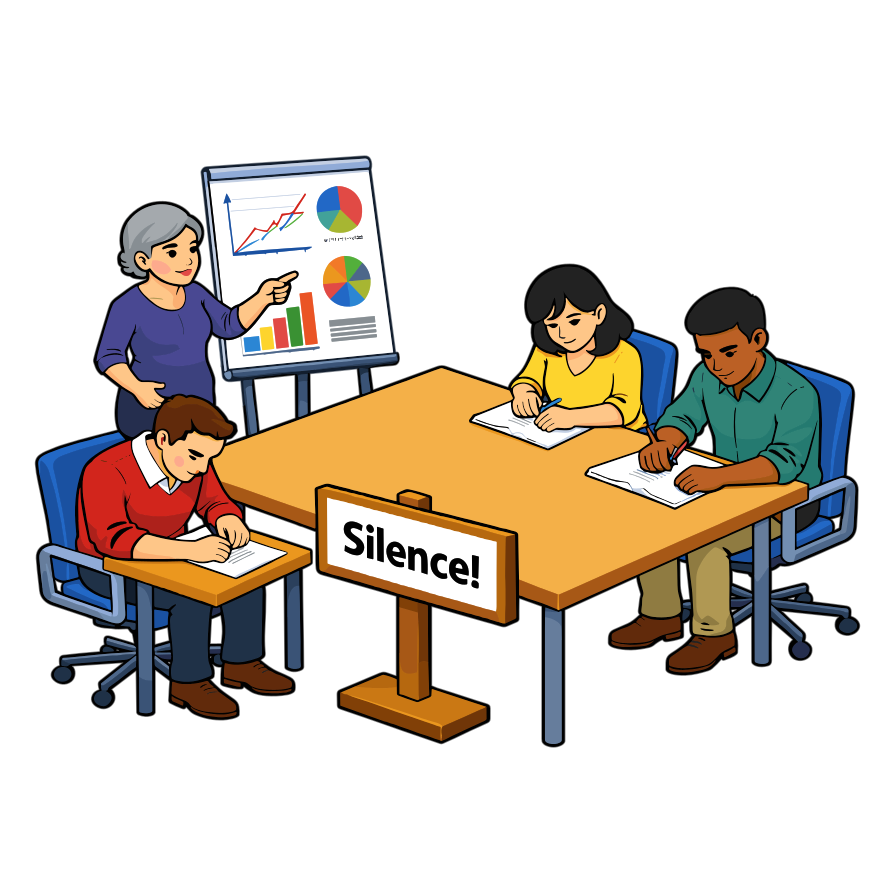
Silent Meetings
When team members do not feel safe to say what they really think, they default to silence to avoid perceived risk or conflict. This lack of contribution prevents the team from identifying problems or innovating effectively.

Lateral Moaning
Instead of open, honest collaboration, frustrations are expressed indirectly because the environment does not support direct, respectful challenge. This creates an underlying friction that slows down decision-making and erodes trust.
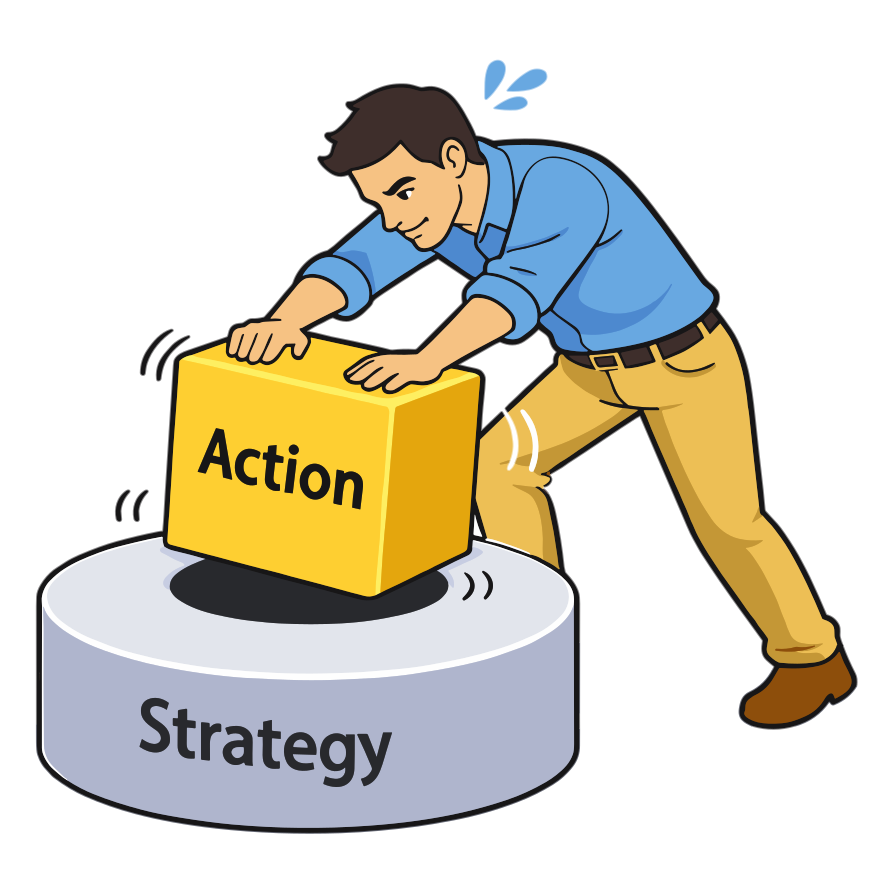
Confusion & Indecision
Without clear alignment between strategy and action, individuals feel "misaligned," leading to a state where no one feels empowered or informed enough to make definitive choices.

Static Standards
When a team is neglected and doesn't feel valued, they often stop seeking improvement and settle for the minimum viable output. The standards remain "static" because the drive for excellence has been replaced by a survivalist "going through the motions" mentality.
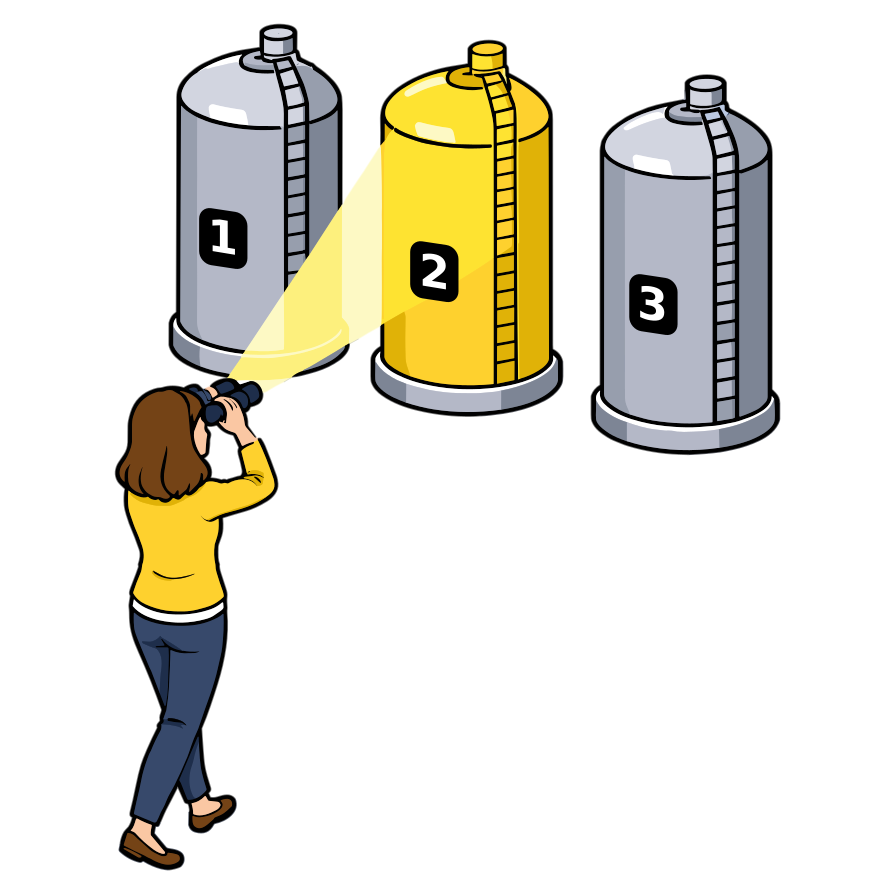
Siloed Focus
This often happens when people don't know how their work makes a difference in the wider organisation, leading them to retreat into their own silos where they feel more in control, even if it harms the overall "Team Flow".
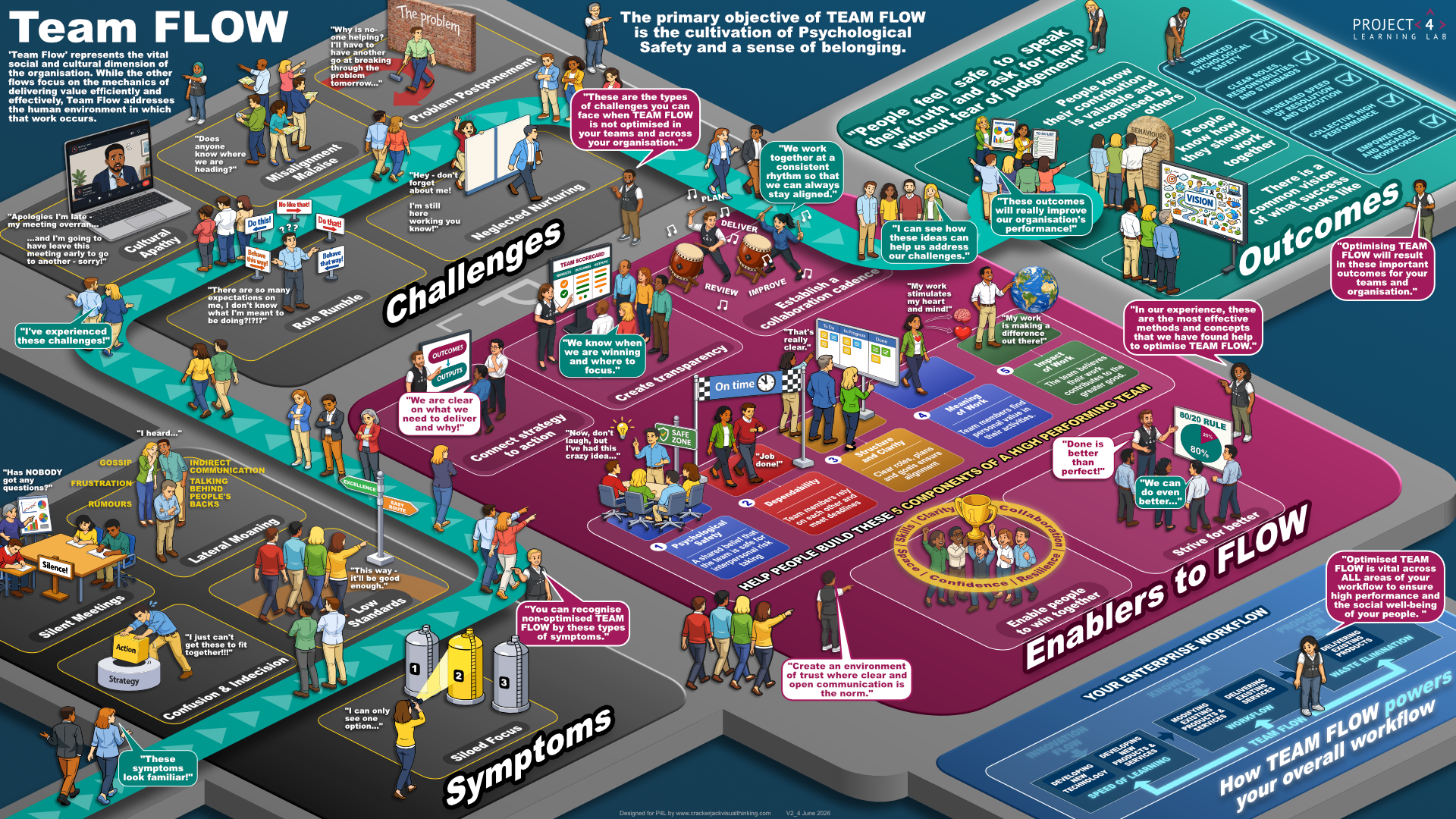
The cost to the business
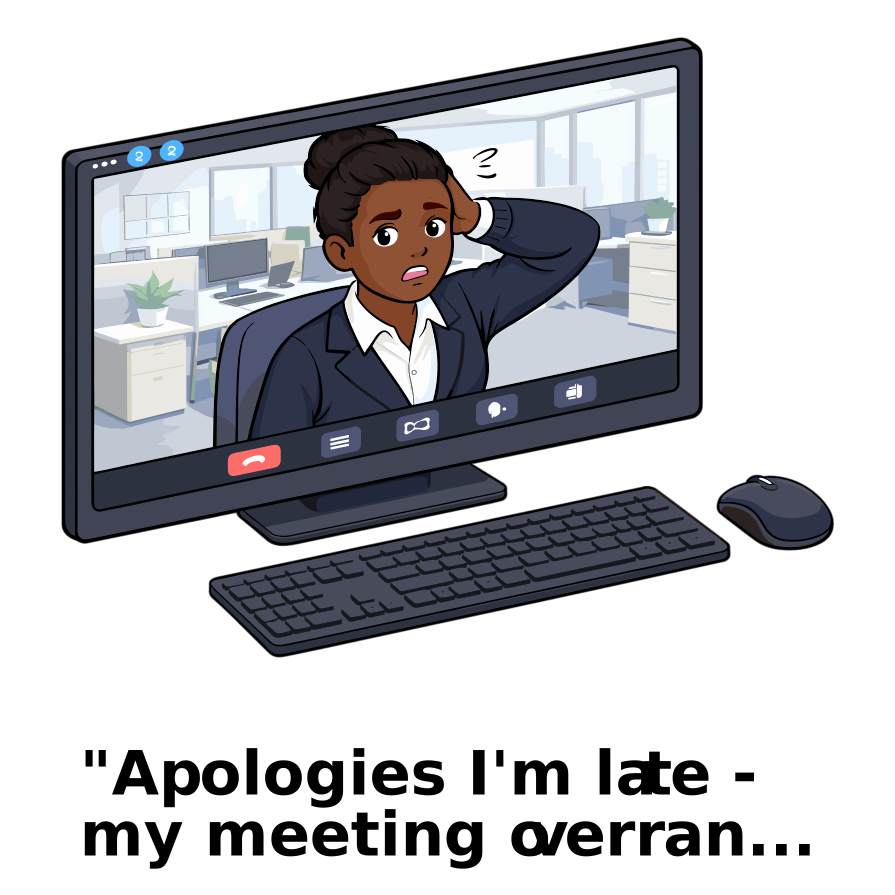
Cultural Apathy
Knowing that problems exist but have become too weary or fearful to address them.
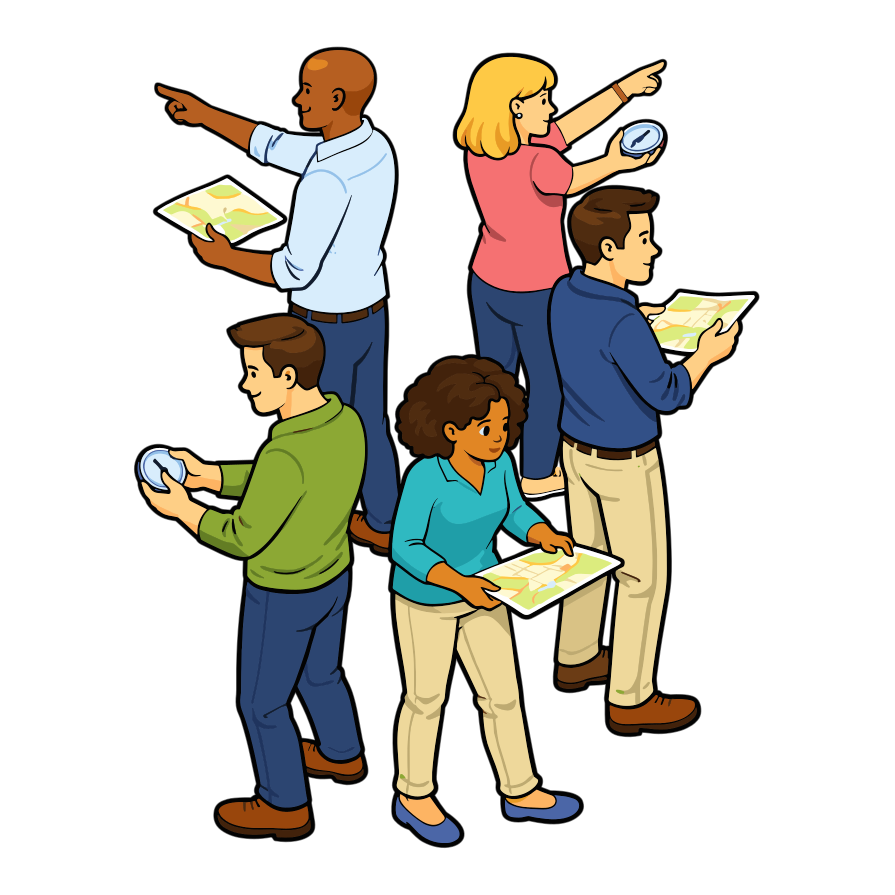
Misalignment Malaise
A state of collective stagnation where the team has lost its shared sense of direction and purpose.
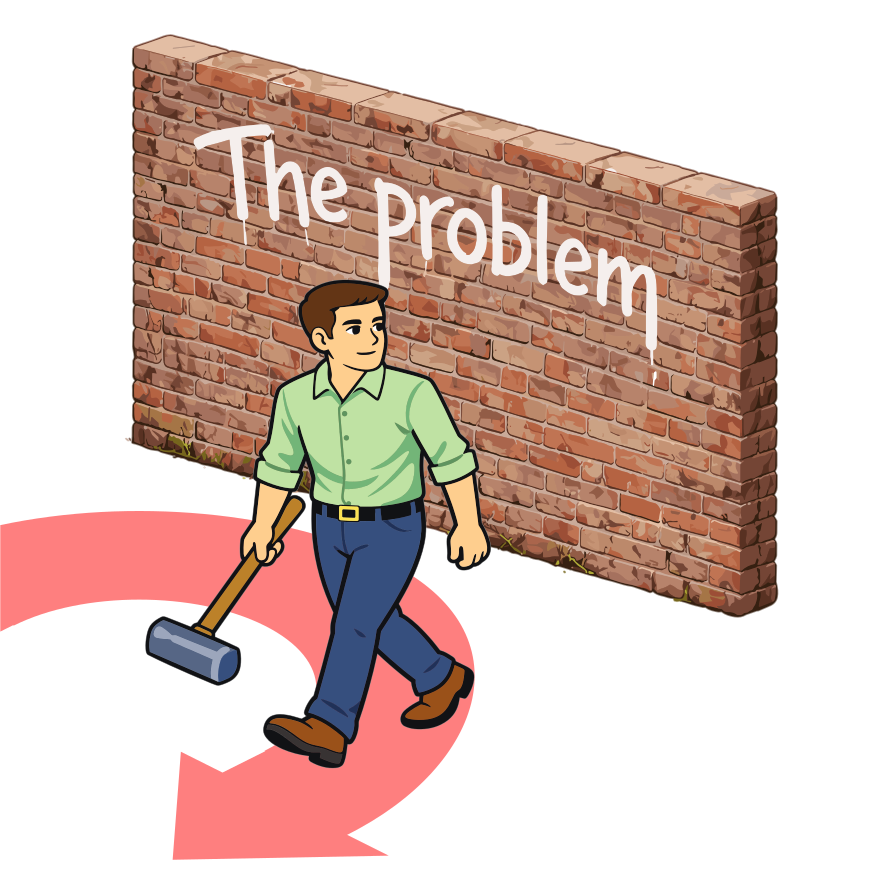
Problem Postponement
Knowing the problems exist but choosing not to flag up or "ask for help to fix them".
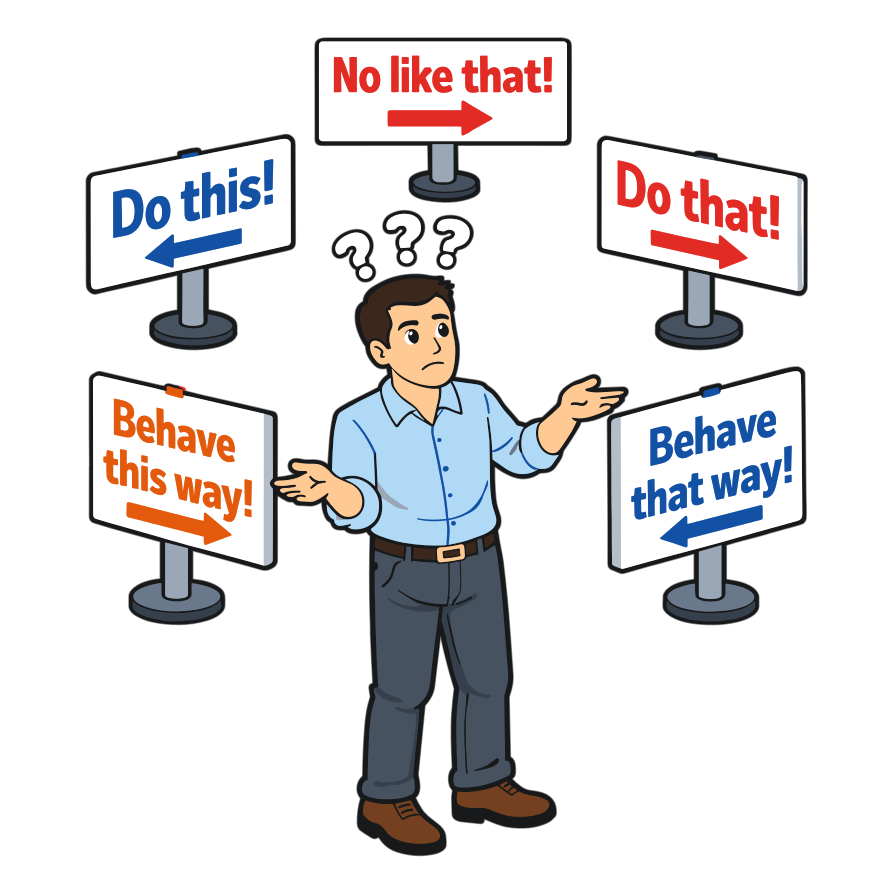
Role Rumble
Individuals "don’t know how they are expecting to contribute" or "how they are expected to behave," leaving their function in disarray.

Neglected Nurturing
Team members don’t feel seen, appreciated or valued.

Programme Executive, Rolls-RoyceThe Project4 team that supported deployment of agile principles and scrum operation into our team were invested in making it work for us. They took the time to understand our context, supported us through the more challenging and uncomfortable elements of thinking and working differently (which they warned us there would be) and operated as part of our team throughout.